Skip to content

George here talking about why the Hymer B544 is ideal for wild camping
At Only 18 Feet Long, The Hymer B544 Is One Of The Best Motorhomes For Wild Camping
Table Of Contents
What Is Wild Camping In A Motorhome?
Compact Motorhomes Under 20 Feet Long
9 Benefits Of A Compact Motorhome
Hymer B544 B Class Motorhome Review (1991)
Hymer B544 B Class Motorhome Review (2000)
1991 Hymer B544 Verses 2000: Which Will You Love The Most?
What Is Wild Camping In A Motorhome?
“Wild camping in a motorhome is when you park overnight somewhere other than an official motorhome campsite.”
Before we picked the motorhome we were going to use for our epic full-time 18-month motorhome adventure, we put a lot of hard yards into our research. I hate to put a number on it because it will probably depress me to come face to face with the number of life hours that I will never get back. I hope this post shaves some time off your research.
If you’re wild camping, you will be staying in some fairly tight spots sometimes, and you will need to venture into town every week to buy supplies and park in carparks. That automatically rules out any motorhome over 20 feet, which makes your search for a suitable motorhome for wild camping a lot easier. It’s a bit like being a vegan. When I go to the supermarket, 95% of the shelves is a no go zone for me. So, I only need to visit 5% off the shelves, which makes shopping so much quicker.
With a motorhome under 20 feet long you have the flexibility to go wherever you want, but if you’re tempted to get a larger vehicle wild camping will become a pain in the ass, and you’ll end up going to the official motorhome campsites.
Even when you restrict your search to motorhomes under 20 feet, it’s mind numbing how many chooses you’ve got, which will inevitably lead to paralysis by analysis. There’s just way too much choice even when looking fo small to medium-sized vans, to pop-top and high-top motorhomes.
Putting your thinking camp on before making the purchase will pay dividends. For guidance and reference, here are what we thought were the best motorhomes for wild camping, for long road trips, and for full timing.
Compact Motorhomes Under 20 Feet Long
As I mentioned above, if you want to “wild camp” you will need a compact motorhome.
To me, the definition of a compact motorhome is one that is under 20 feet. Anything over that and you’re in the realm of the large. You simply cannot wild camp for any length of time in a large motorhome. Trust me on this! Your mantra during your entire research time should be something like this:
“I shalt not get a motorhome over 20 feet long if I know what’s good for me.”
I’ve read on some motorhome sites, that you need one with as much space as possible if you’re going to live and travel in your motorhome for a long time. And that’s absolutely true if all you do is go to official motorhome campsites. But it’s absolutely the wrong advice if your aim is to wild camp.
9 Benefits Of A Compact Motorhome
A compact motorhome is much, much, much easier to drive than larger motorhomes. When you’re driving up or down a narrow winding hill inches away from scraping the sides of your motorhome, you will feel a crushing pressure that is all but overwhelming, especially when another vehicle comes in the opposite direction, and you have to back up 1/2 a mile. If you’re wild camping, you will be going off the beaten track a lot, and beaten tracks would scare the bejesus out of me if I was in a vehicle anything over 20 feet.
Benefit 2: Move Freely Around Towns And Cities
I’ve already mentioned this benefit in my intro. If, for example, you have a luxury £80,000, 23-foot motorhome and you find yourself driving around a busy town or city, you will prefer to be driving a beat-up, 30-year-old, £10,000 Hymer because the smaller vehicle is easier to drive on busy, chaotic roads.
Benefit 3: Easily Parkup In Towns And Cities
If you have a 23-foot motorhome, you will quickly find out that there is nowhere to park the thing when you’re in towns and cities. You’ll look great in your gleaming, expensive, large motorhome, but you won’t be able to park the damn thing.
Benefit 4: Travel Light
Minimalism is becoming a bit of a thing these days. If you type in “minimalism” to Google search you’ll see that there are 567,000,000 results for that search. That’s 567 million! Minimalism is all about living with less. The philosophy is about getting rid of excess stuff and living life based on experiences rather than worldly possessions. You will find that the less material baggage you bring with you, the lighter you will mentally feel. There’s something spiritual about traveling light.
Benefit 5: Save 18 Minutes Per Day Not Having To Shower
It’s amazing how quickly you will adapt to not need to take a 20-minute hot shower in order to start the day. All you need a sink full of water, a bar of soap, and your hands. This is similar to “benefit 4”, of keeping things minimal. You’ll love it.
Benefit 6: Fit In Your Garage
Most garages can fit a class B motorhome which will give you a bit of peace of mind, knowing it’s safe from thieves.
Benefit 7: Snackles (a.ka. snacks) On The Move
I am partial to snackling when driving. I try very hard to make sure they are healthy snacks. If, however, god forbid I forget my snacks before buckling in and setting off, I can turn to my partner in the passenger seat and politely ask her to get them for me, without having to stop the motorhome.
Benefit 8: Passenger Can Go Toilet While On The Move
My partner must have one of the weakest bladders on the planet. She is constantly going for a wee, but that isn’t a problem when you have a class B motorhome. She can simply unbuckle herself and saunter over to the toilet while I’m still driving (and get me some extra snacks on the way back).
Benefit 9: Local Car Mechanic
Class B motorhome chassis, engine service, and MOTs are available locally. It’s essentially a big car, so doesn’t require you to go to a special motorhome dealership to get your brakes fixed. Just pop down to your local, friendly car mechanic.
What Is A B Class Motorhome?
Class B motorhomes are small, streamlined, and cute.
Nimble and more fuel-efficient than Class C motorhomes, they are perfect for wild camping, or long road trips. Most Class B motorhomes have all the luxuries that provide a home from home including galley kitchens, beds, and restrooms. The length varies from 19 to 24 feet and usually is a two birth (sleeps 2 people).
Most Class B motorhomes can be parked anywhere you can park a car or van. Be aware, however, that Class B motorhomes are taller than a van or SUV and will require more clearance height. Only once on our trip did we came to a very low bridge, that we couldn’t go under. You will, of course, not be able to go under those height barriers on lots of beach, town, and city car parks.
All you need to know about Class A and C motorhomes is that they are too long for wild camping.
They range from 23 to 30+ feet long. If, however, you want to waste a few hours researching Class A and C by all means go ahead, but if wild camping is the thing that rocks your boat, you’d best avoid buying one.
Hymer B544 B Class Motorhome (1991) Review

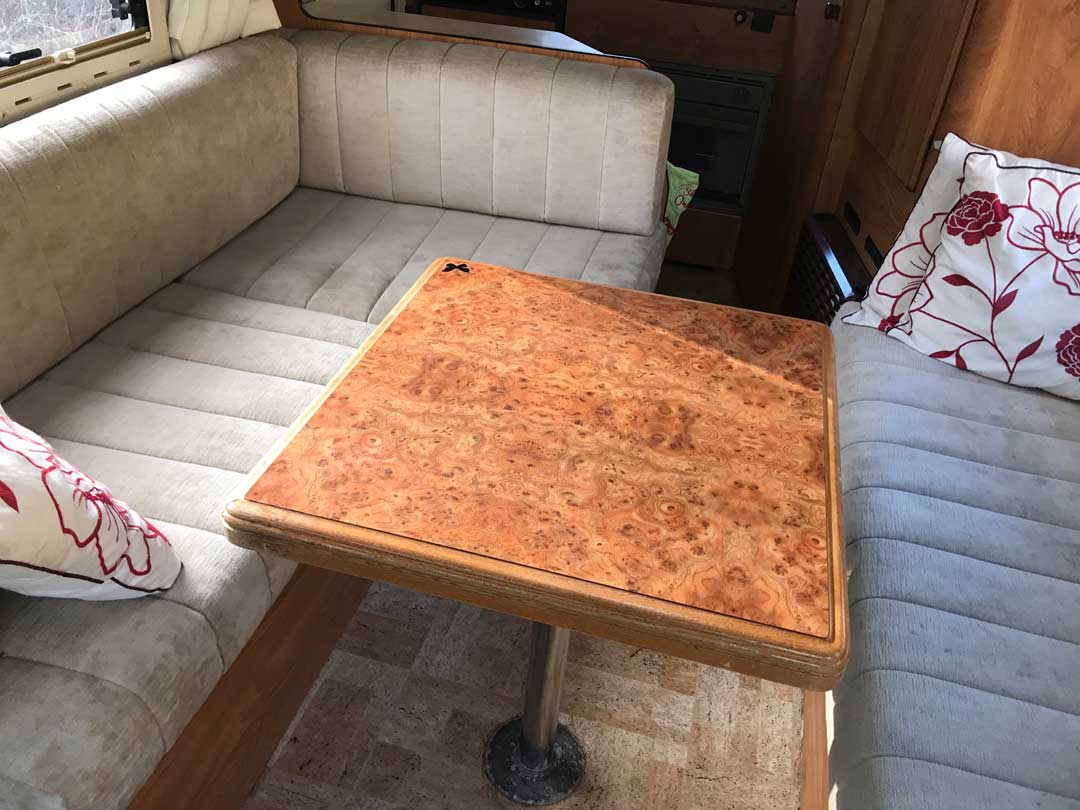
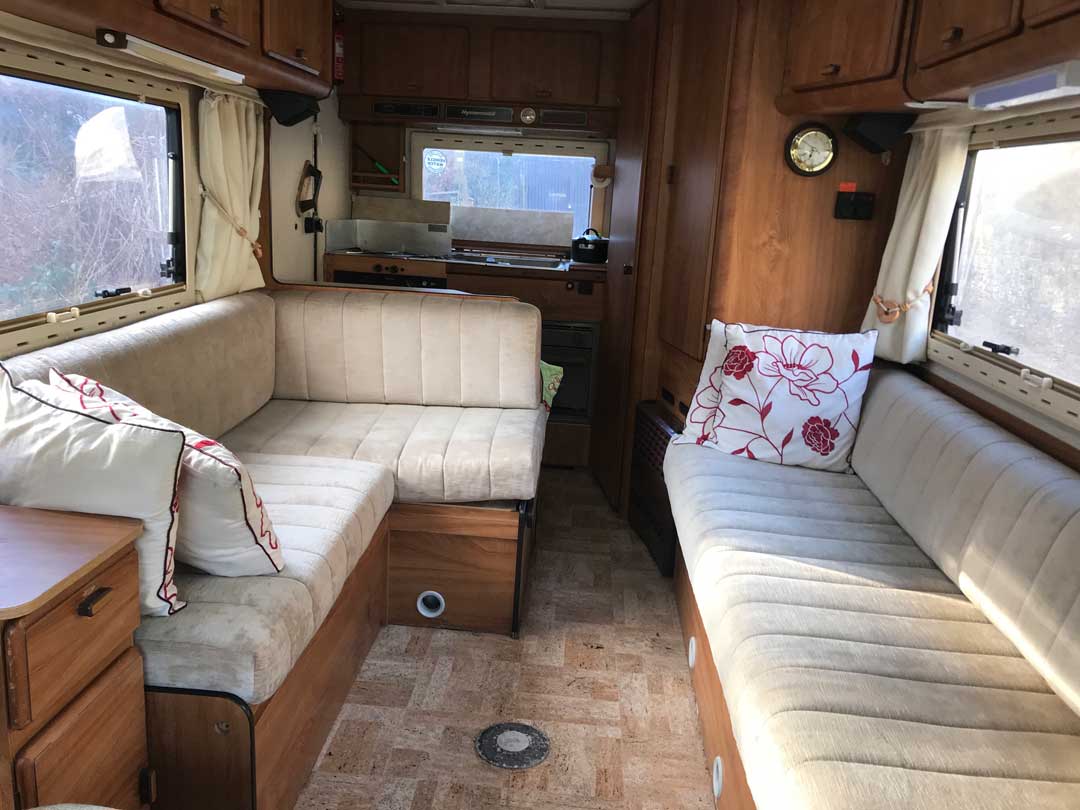

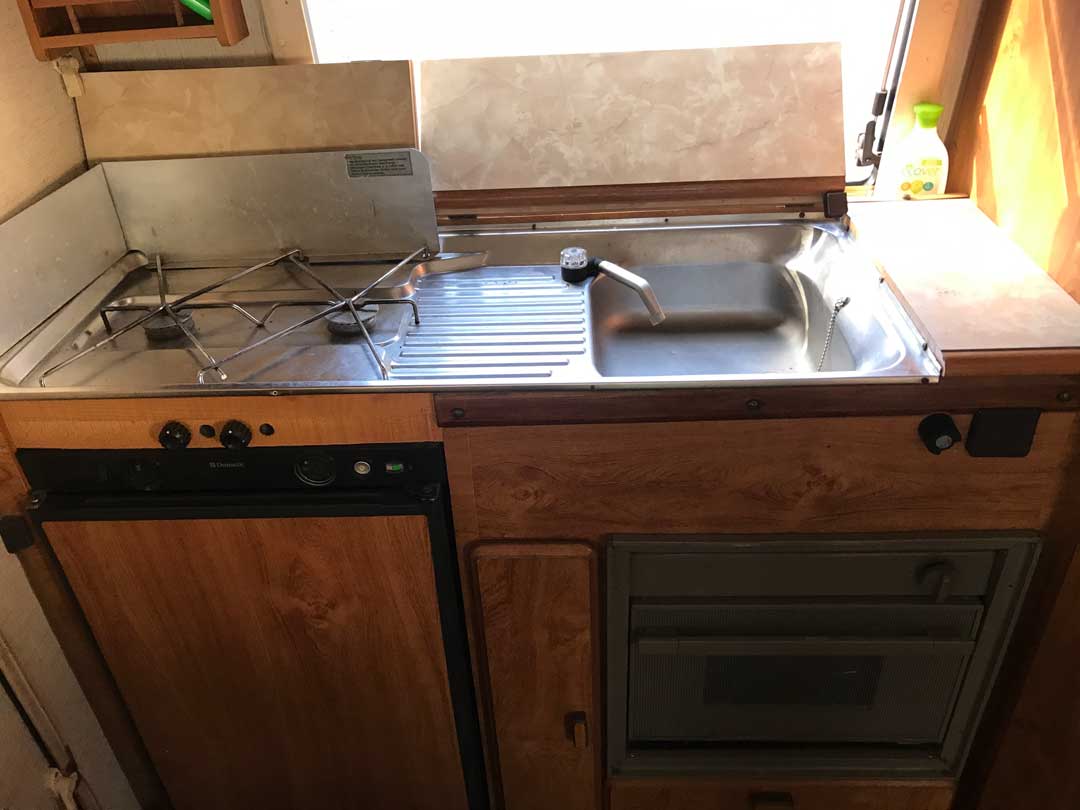

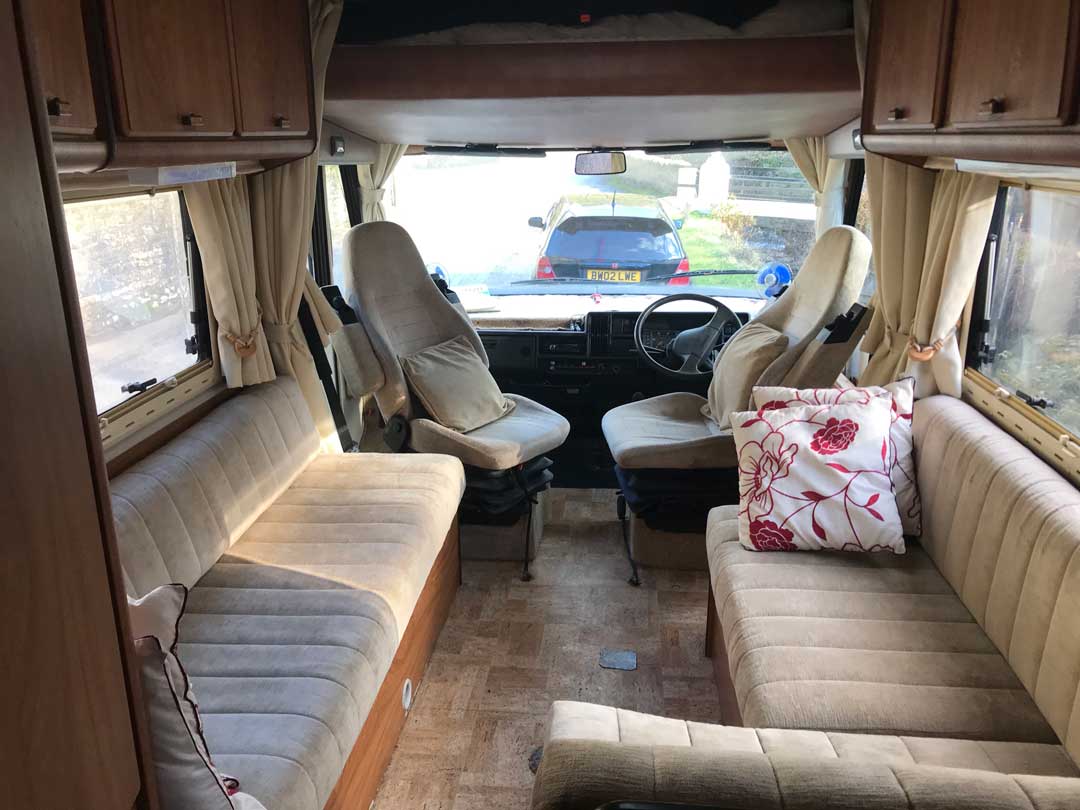
Length: 5.6 metres (18.5 feet)
Width: 2.3 metres (7.5 feet)
Height: 2.8 metres (9.1 feet)
GVW: 3100kg
Berth: 2
Price: £15,000 (1991)
Class: B
Overview
It’s a nice 2 berth model with an end kitchen and washroom.
Large drop-down double bed above the cab.
Swivel captain seats.
Some models are 4/5 berth.
L/shape dinette.
Dinette has two seat belts.
Speaker system.
Large Hymer skylight.
Loads of storage lockers and a wardrobe.
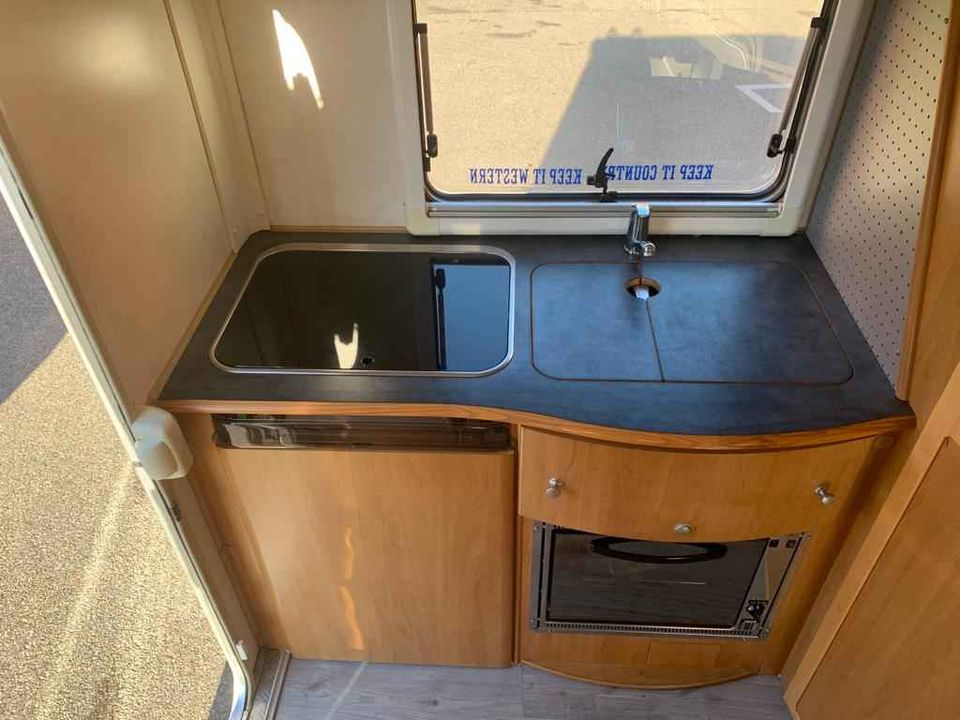
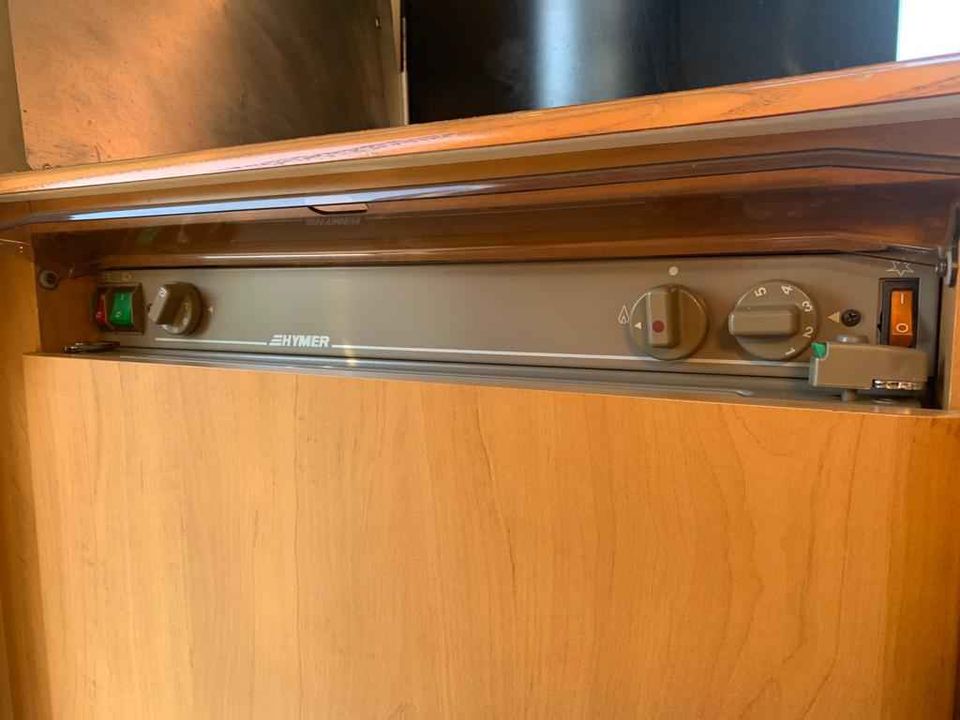
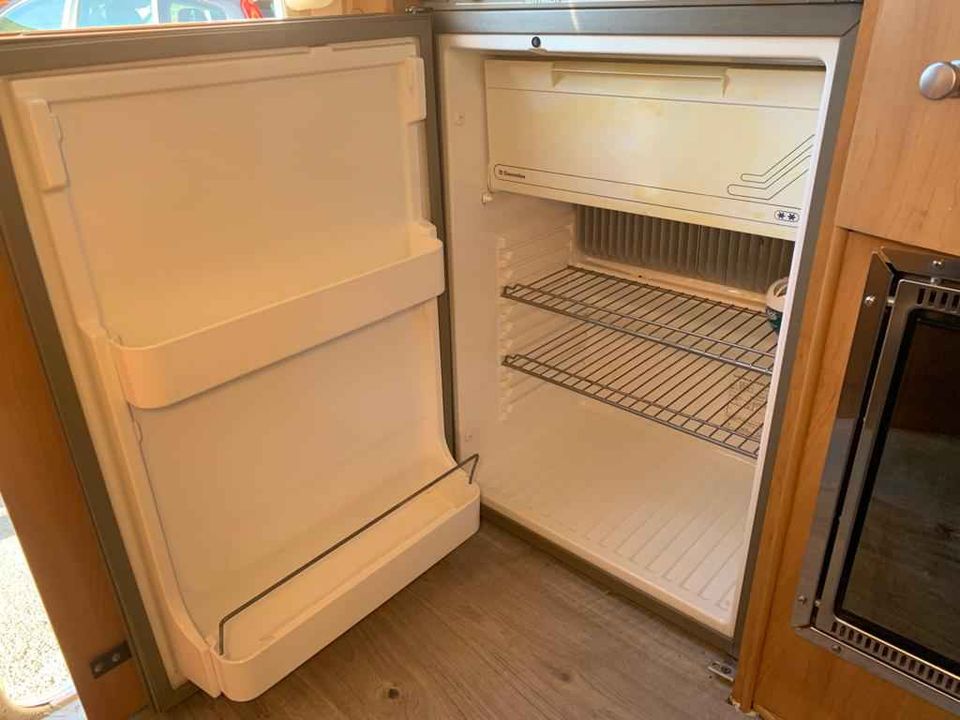
The kitchen area has a 3-way fridge, 2 gas burner hob, sink and drainer, extractor fan, skylight, ample storage, and a clock.
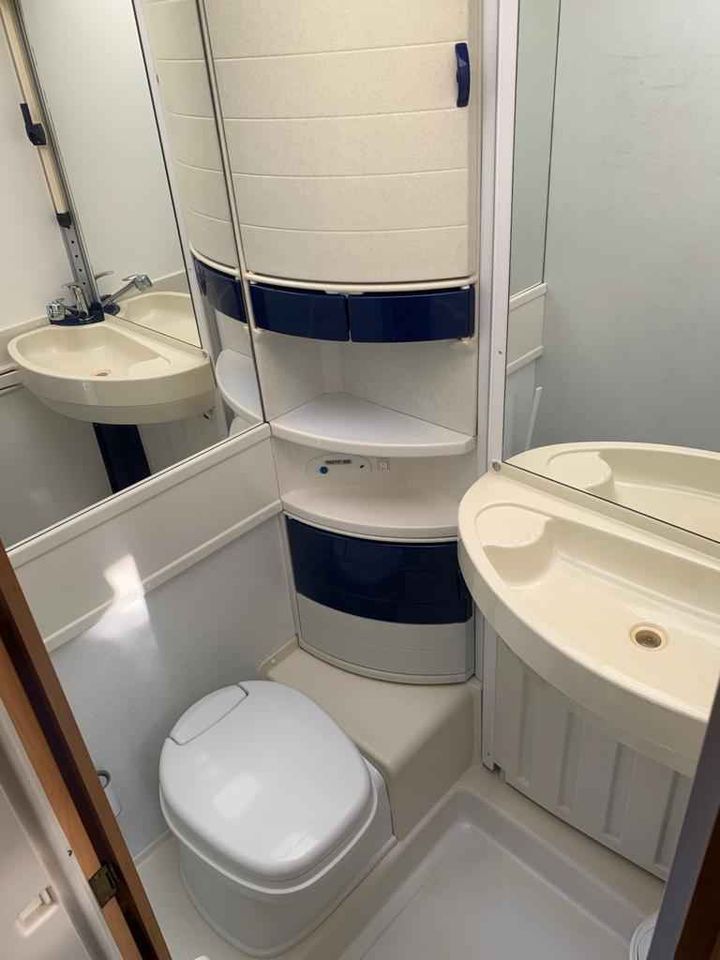
The washroom is a wet room style washroom with a cassette toilet, vanity units with mirrors, sink, shower with tray, and skylight.
The heating system is a Trauma boiler hot water system and has a Truma hot air blown heating system (great for cold winter nights).
The windows are double glazed with nets and blinds throughout.
The usual extras usually include an awning, gas bottle with hose and regulator, 240 hook-up lead, roof rails, and ladder.
The gross vehicle weight is just 3100Kg, therefore it can be driven by anyone of any age with a full UK driving license.
Positive
This is the second motorhome we purchased, and our current one. We liked it because it was 1.3 feet smaller than our Hymer B534 (our previous motorhome). This made it easier to drive and park. It was had a much better engine which made driving up hills a lot quicker.
Negative
The B544 we purchased was a bit of a lemon. We had to spend approximately £3,000 to make it roadworthy, including redoing the gearbox, which was a specialist job and took the guy six months! That was six months of no motorhome trips. Nightmare! But hey, if you buy a 30-year-old motorhome, you must expect it needs a bit of work doing on it.
Video Of George Talking About The Hymer B544 (1991 Model), And Why He Choose It For Wild Camping.
Hymer B544 B Class Motorhome (2000) Review

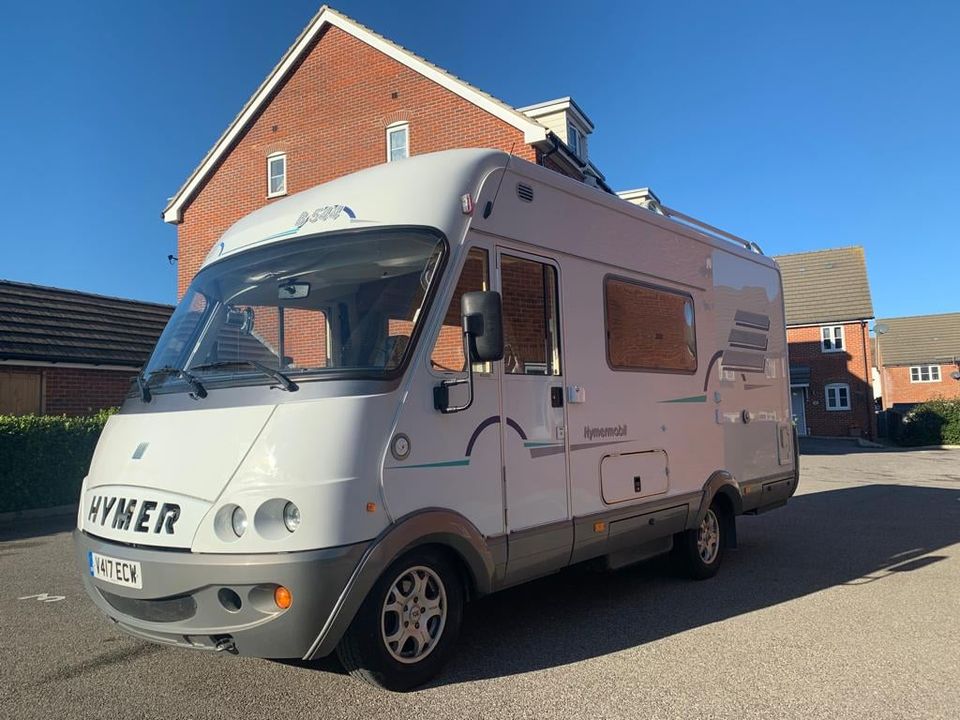
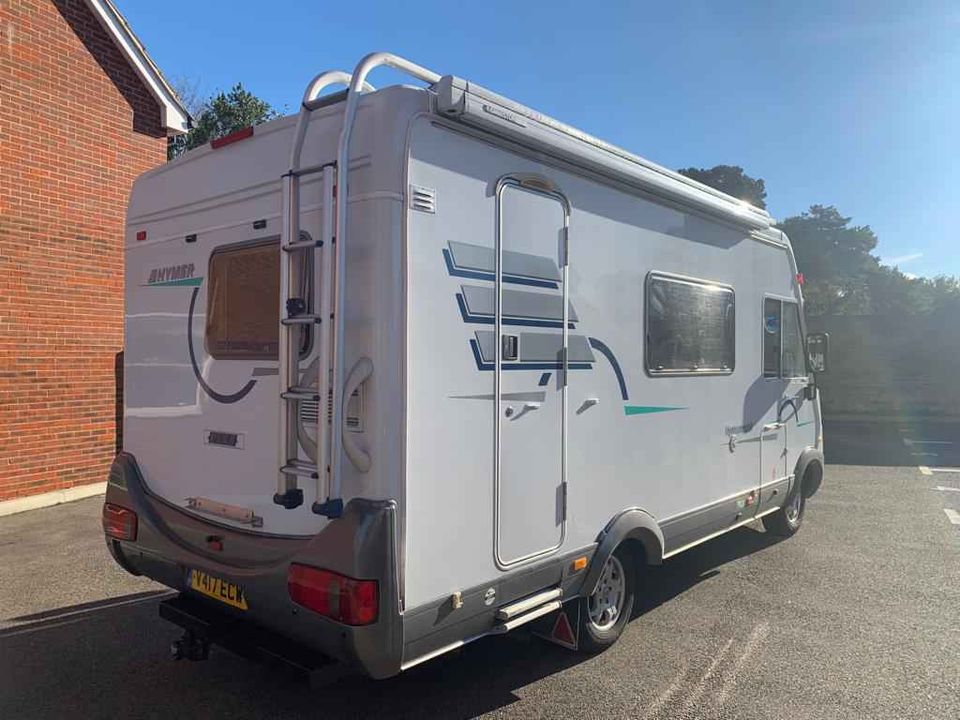
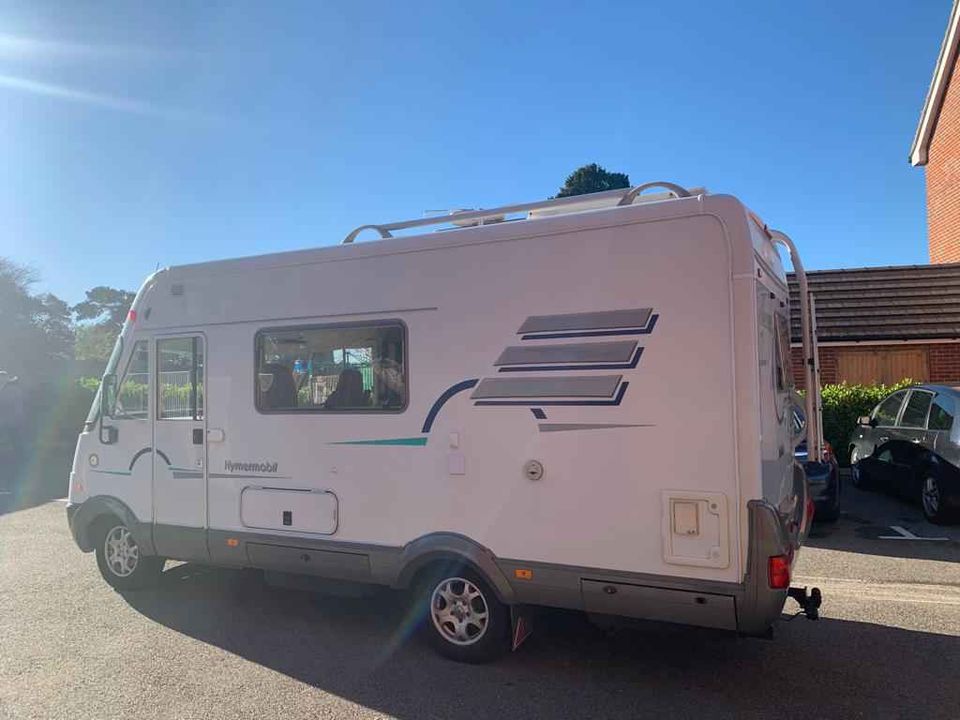
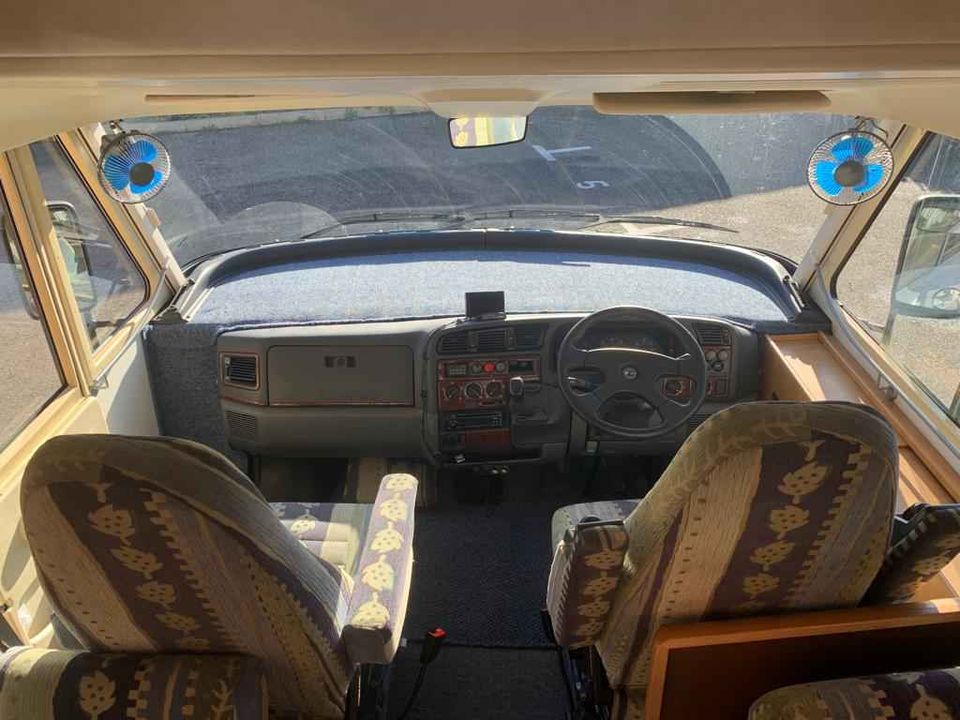
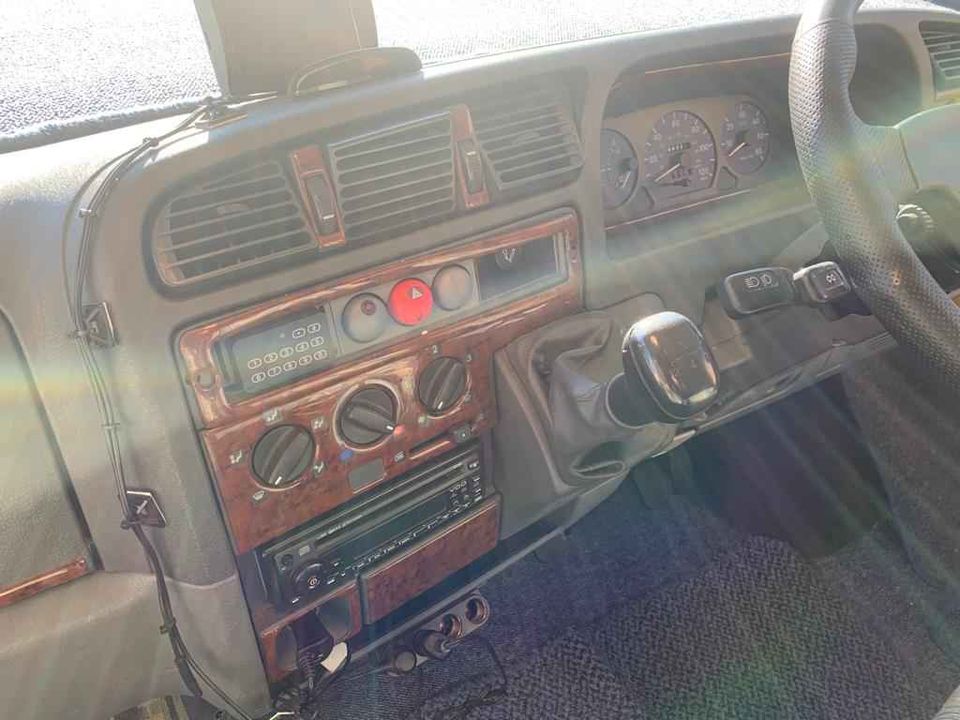
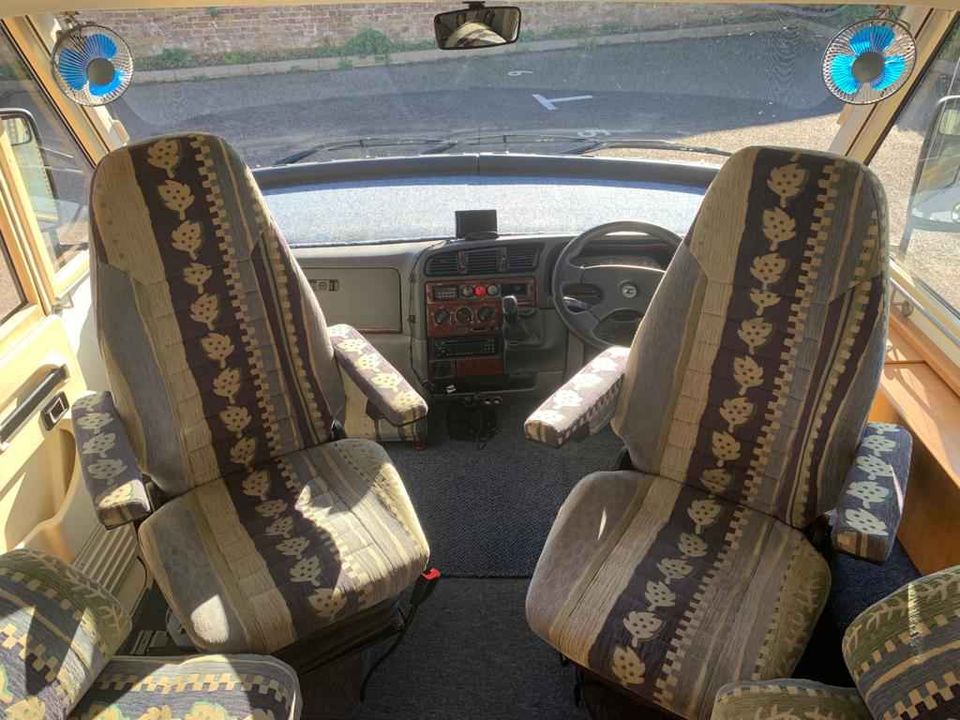
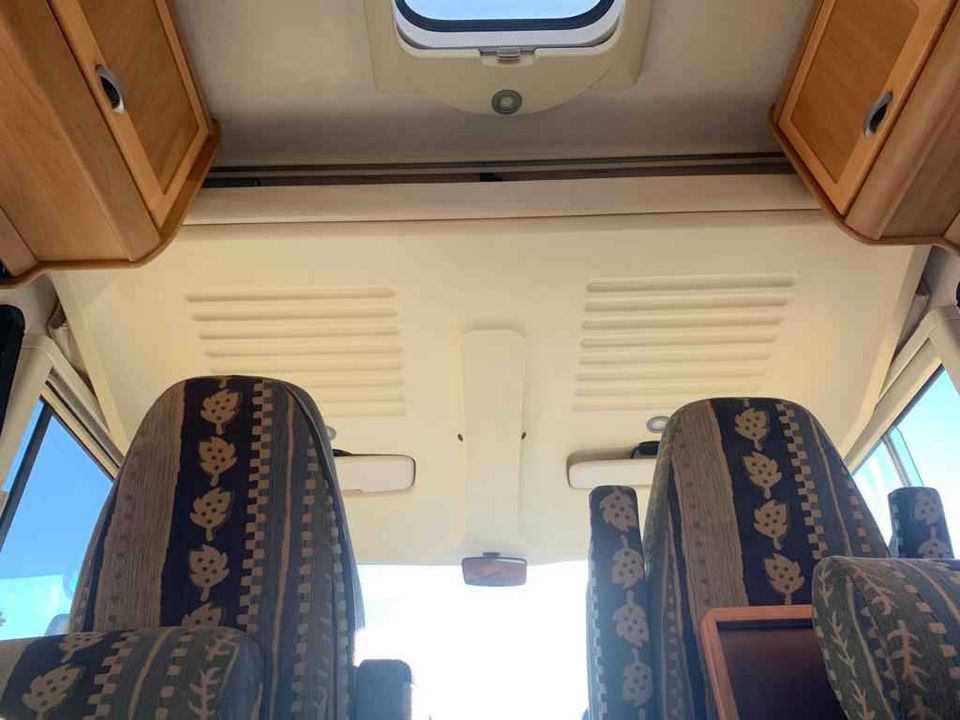
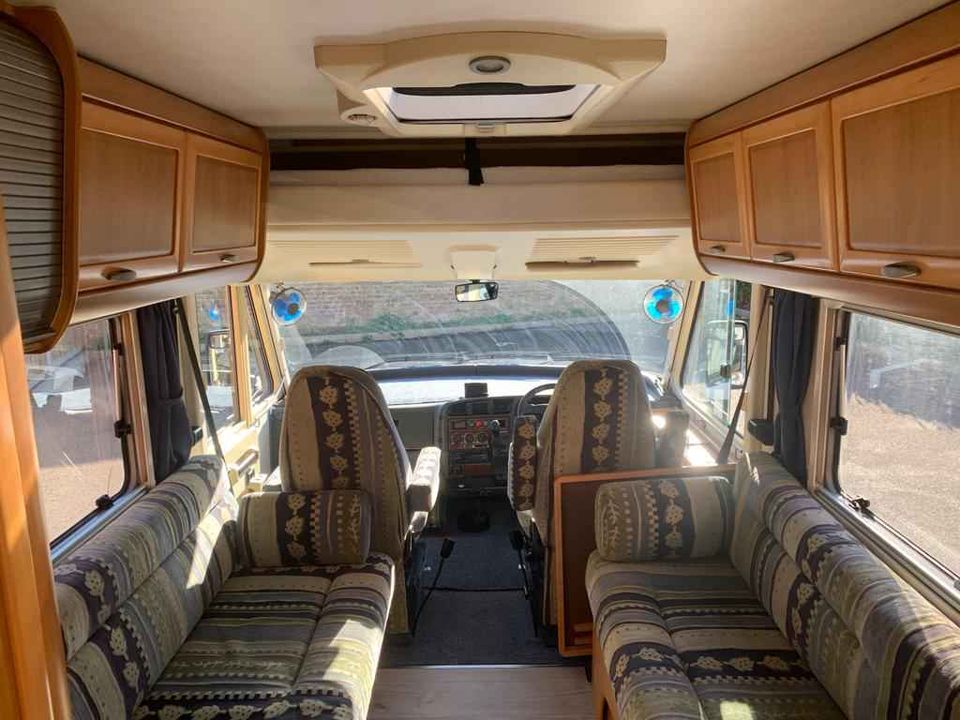
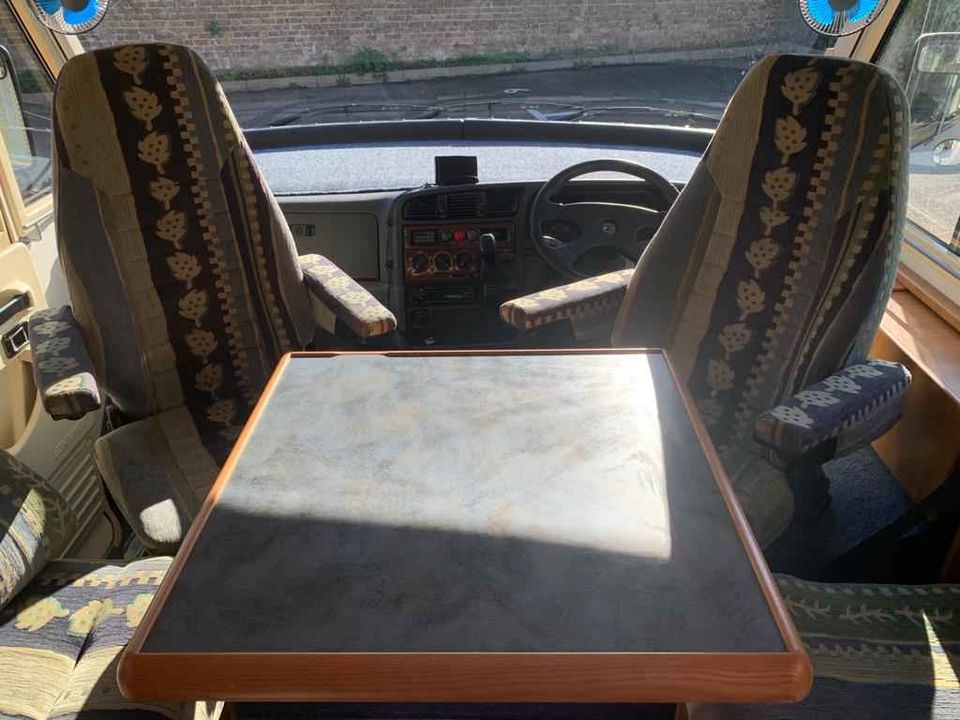
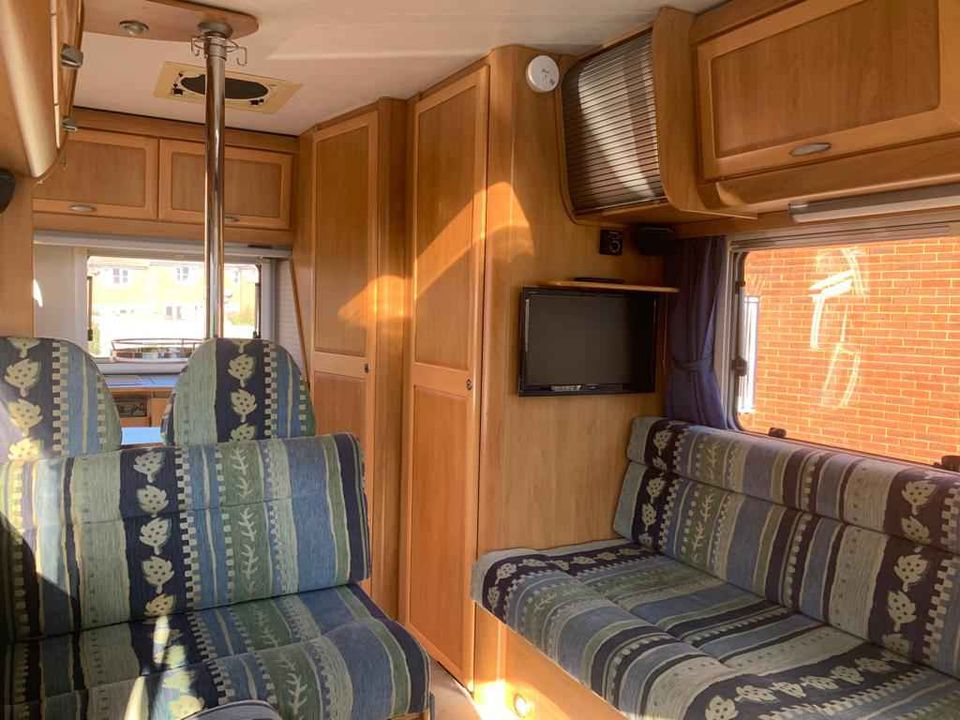
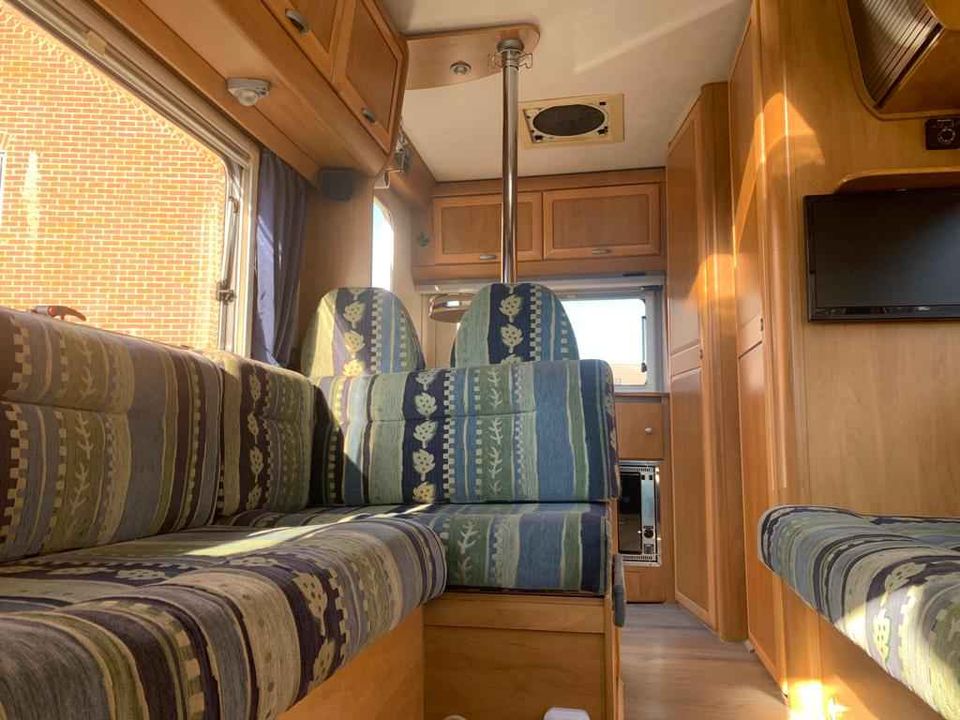
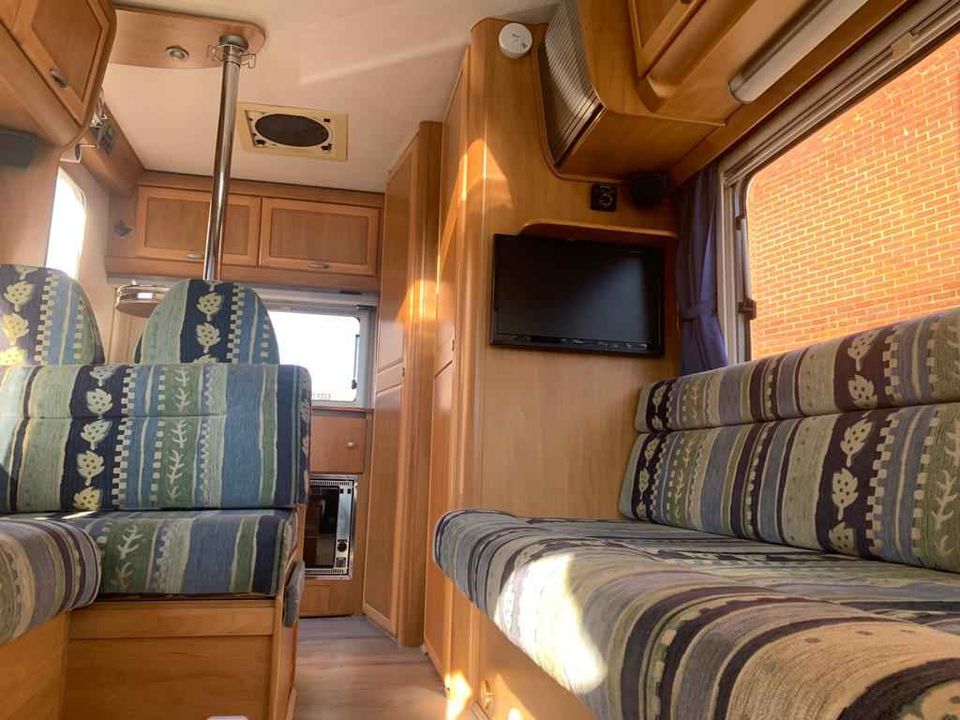
Width: 2.3 metres (7.5 feet)
Height: 2.8 metres (9.1 feet)
GVW: 3400kg
Berth: 5
Price: £22,000
Hymer B544 1991 Verses 2000: Which Will You Love?
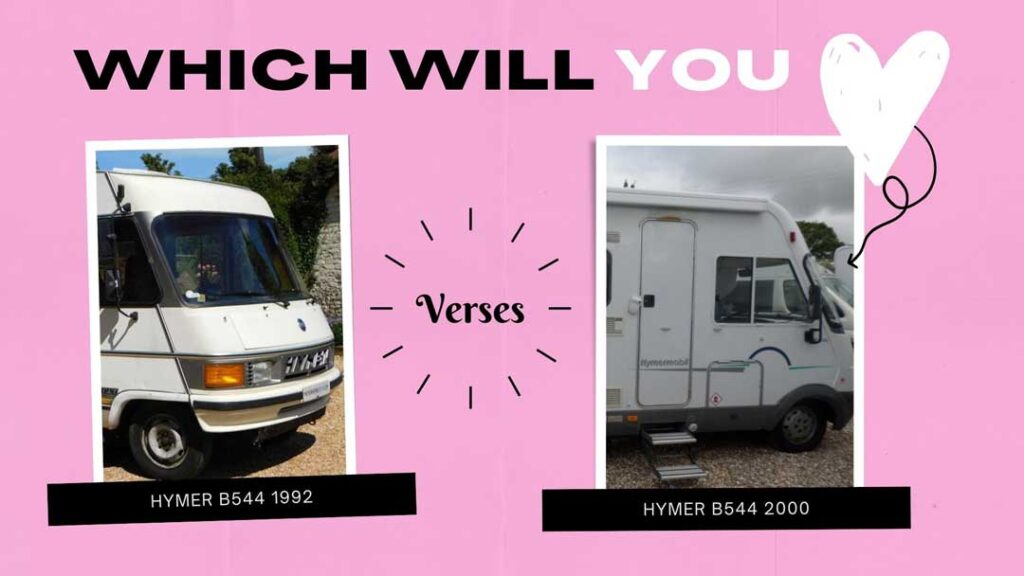
Below are the main differences between the 1991 and 2000 B544 models, so you can see if the extra price is worth it.
2000 B544
-
19.9 feet long
-
£22,000 price tag
-
5 berth
-
GVW: 3400kg
-
Power steering
1991 B544
-
18.5 feet long
-
£15,000 price tag
-
2 berth
-
GVW: 3100kg
-
No power steering
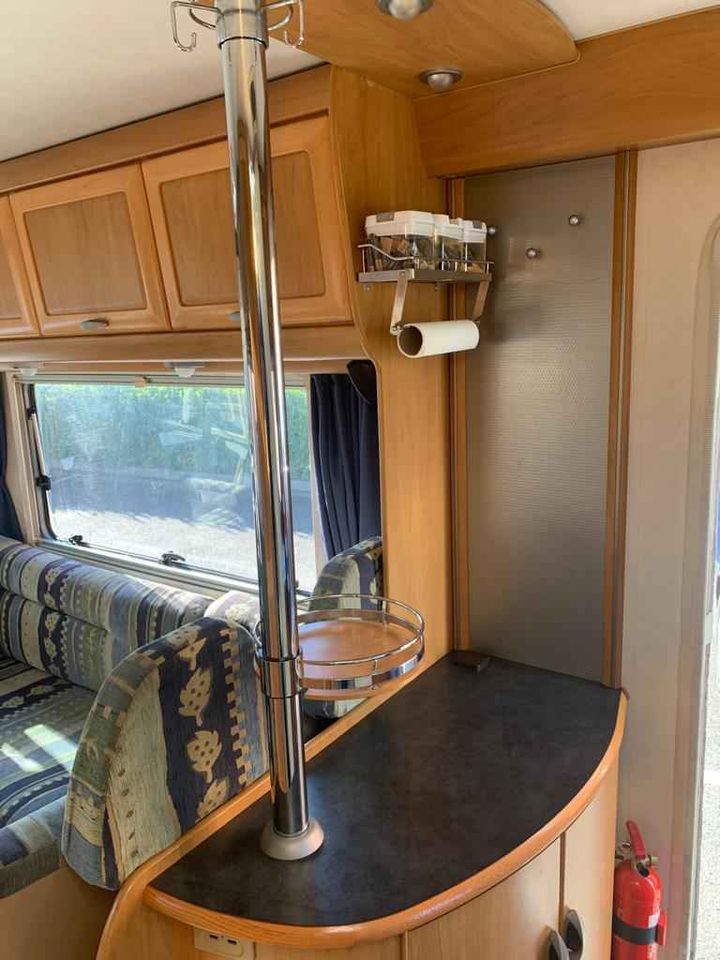
When you look at the images of the 1991 and 2000 models (see above) you’ll notice that the interiors are essentially identical.
So, why would you pay £7,000 more for the 2000 model?
Good question!
Well, you might like the:
- Lower mileage
- More modern feel on the inside
- Shinier exterior
- Inner peace knowing that it’ll probably need less work on it than a 1992 model
What do I think?
I wouldn’t get the 2000 model because at 19.9 feet long, it’s a foot too long for me. You may think ONE FOOT isn’t that big of a deal, but that extra foot makes it harder to comfortably head into towns, park in one car park spot, and venture off “B Roads” where the roads get really tight.
I also like the creamier exterior of the 1991 model, because it is less noticeable than the shinier/whiter 2000 model. That’s a big deal if you’re a wild camper who doesn’t want to bring attention to themselves.
Hymer B544 B Class Motorhome (1989) Review
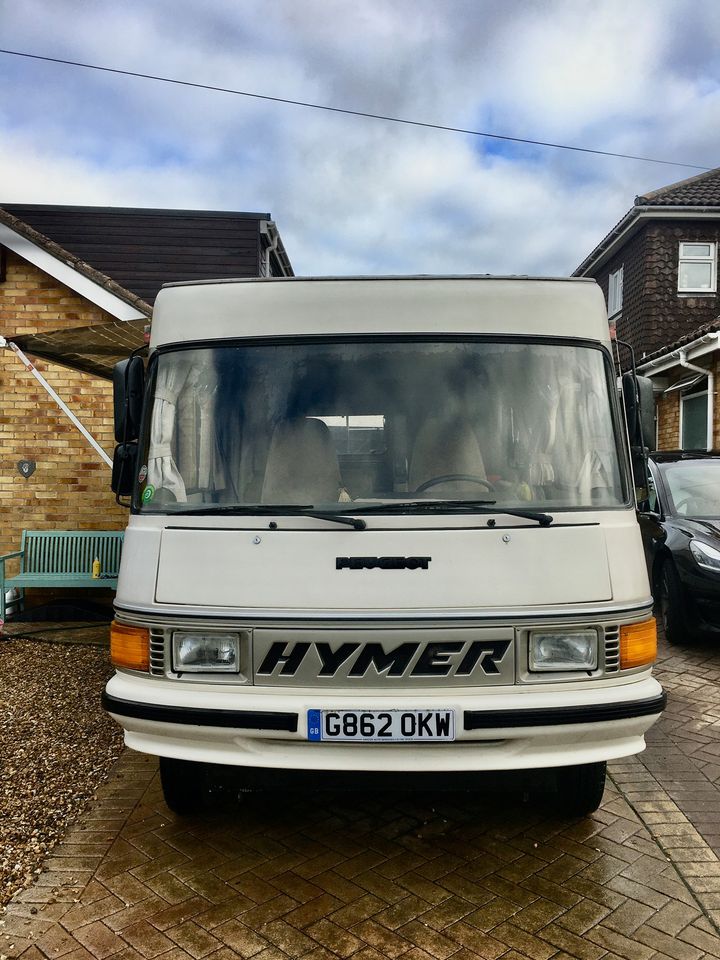

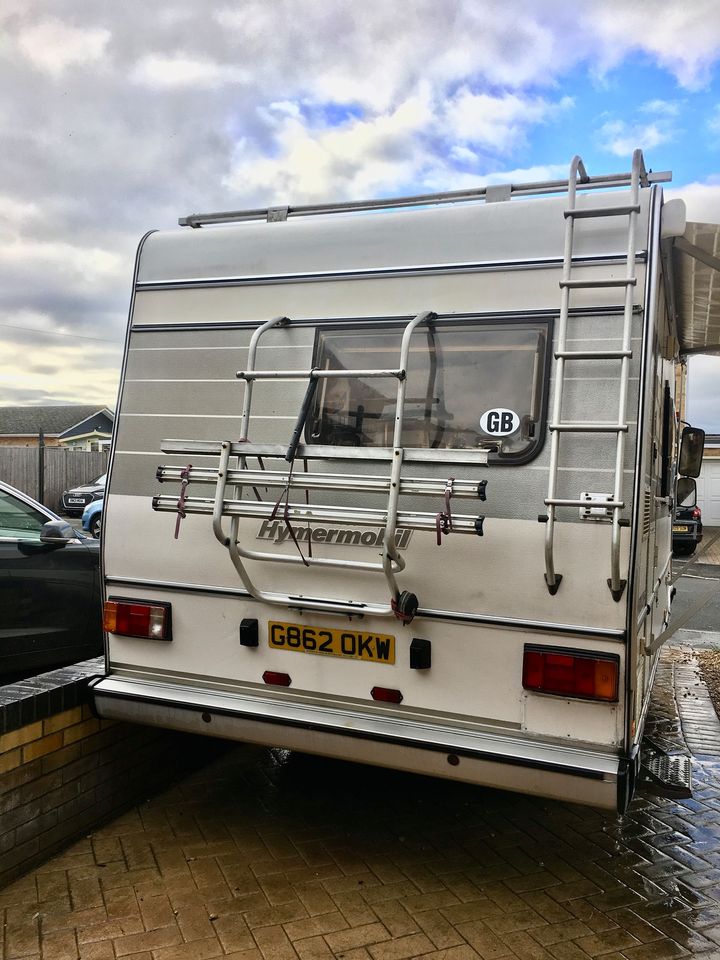

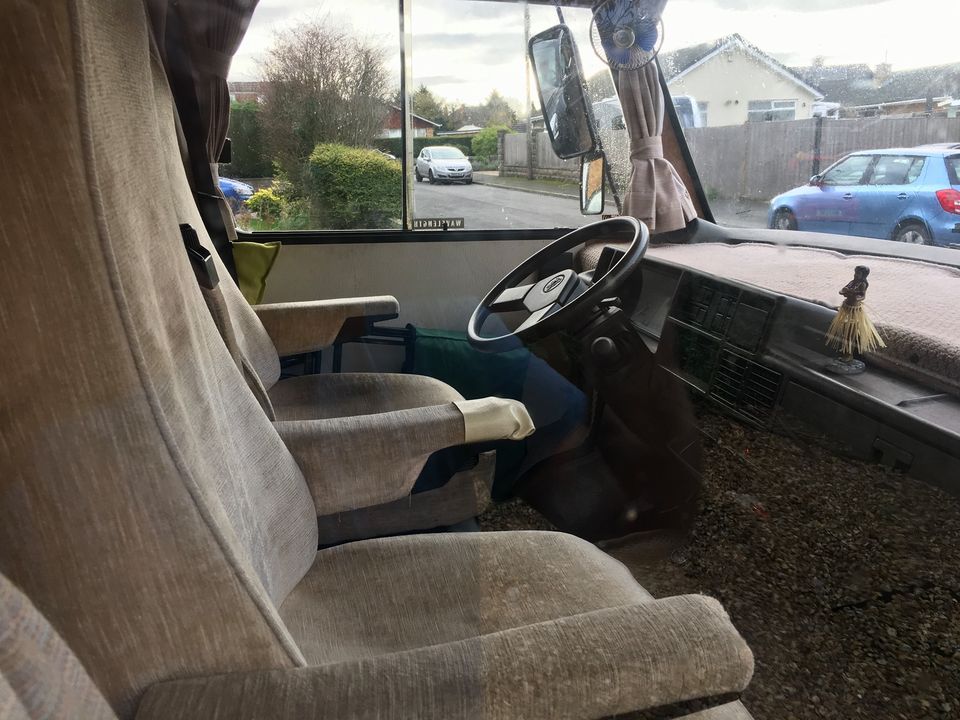
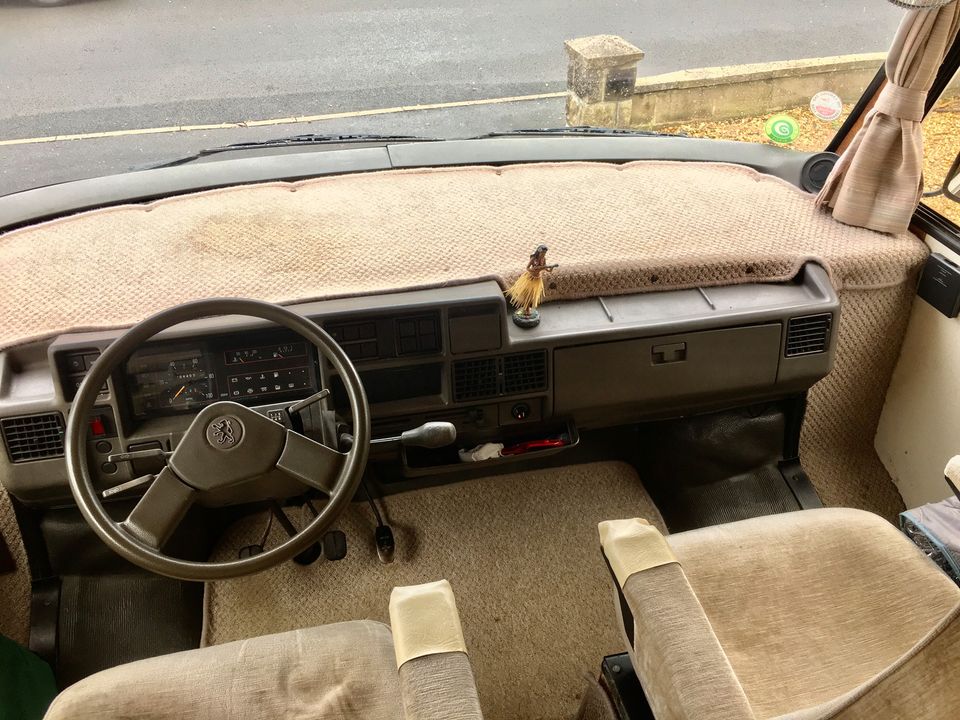

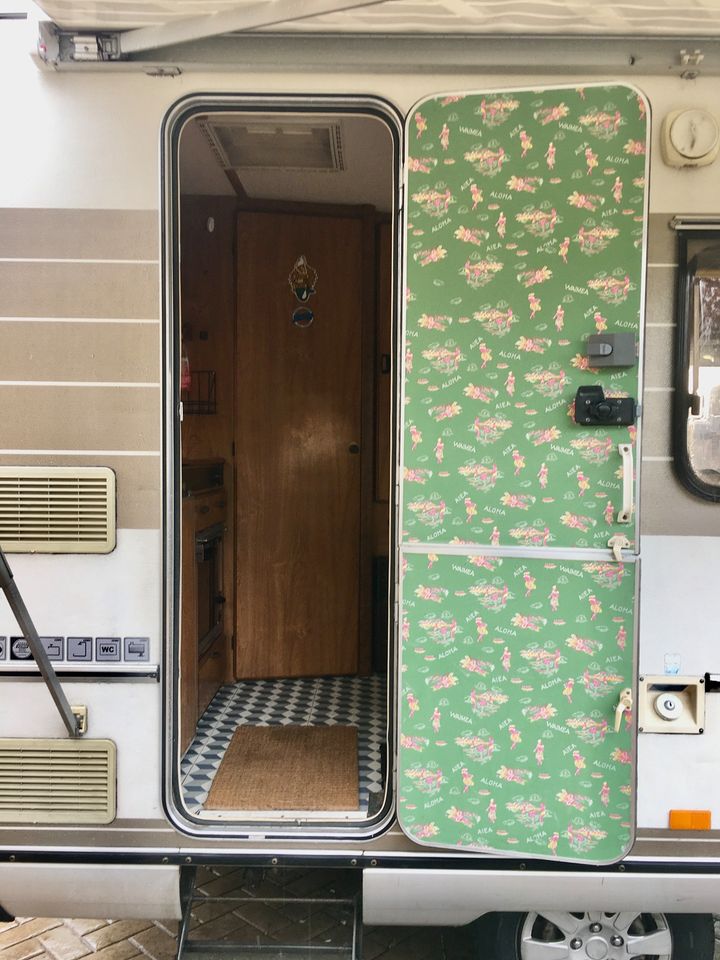
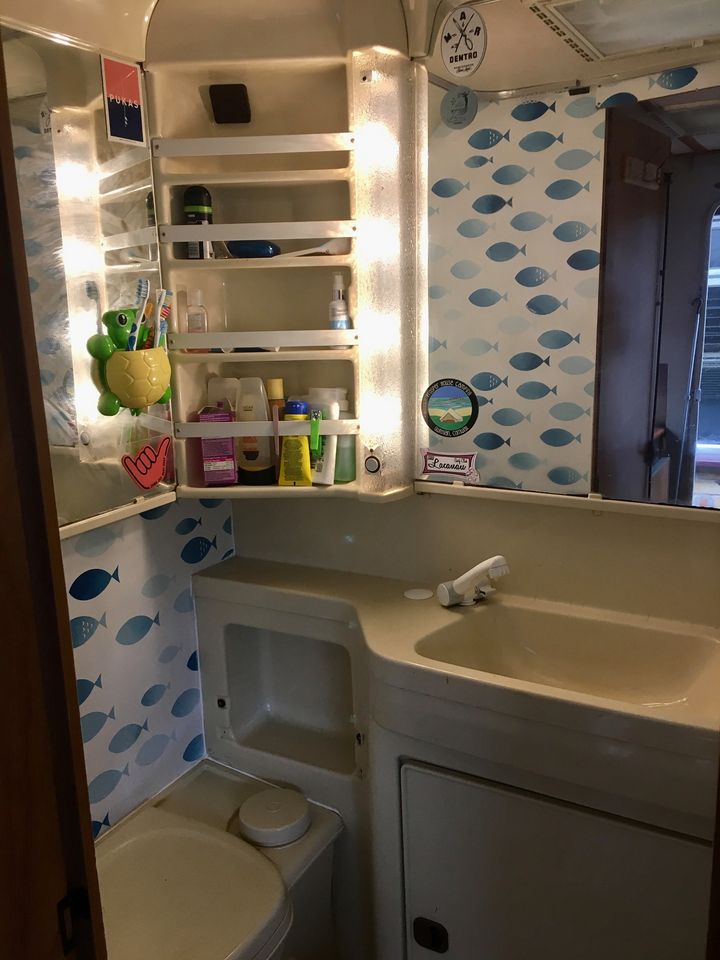
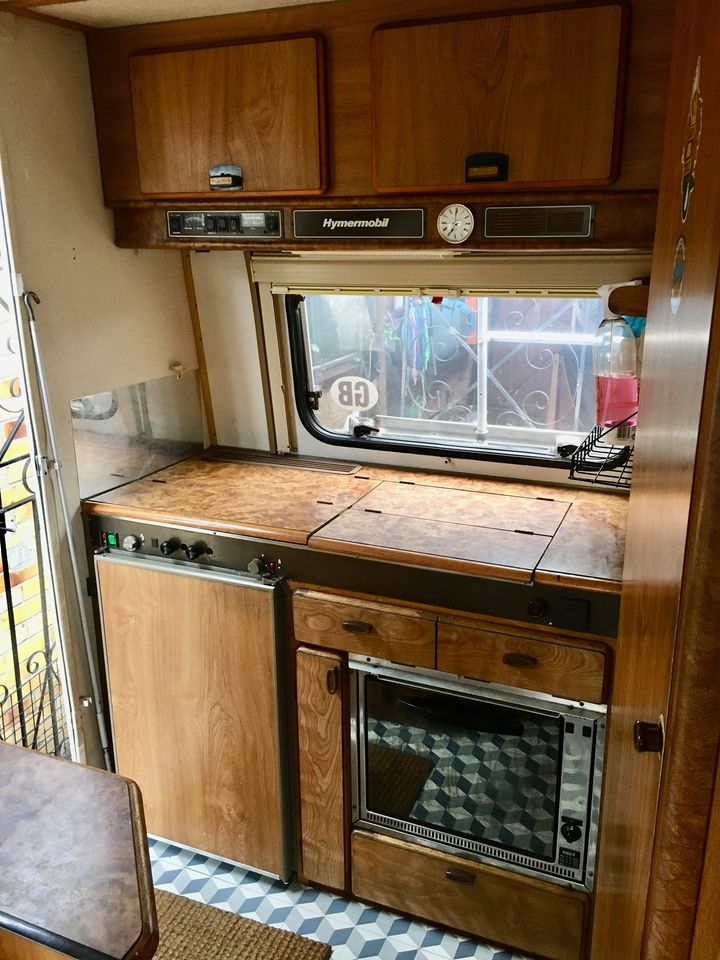
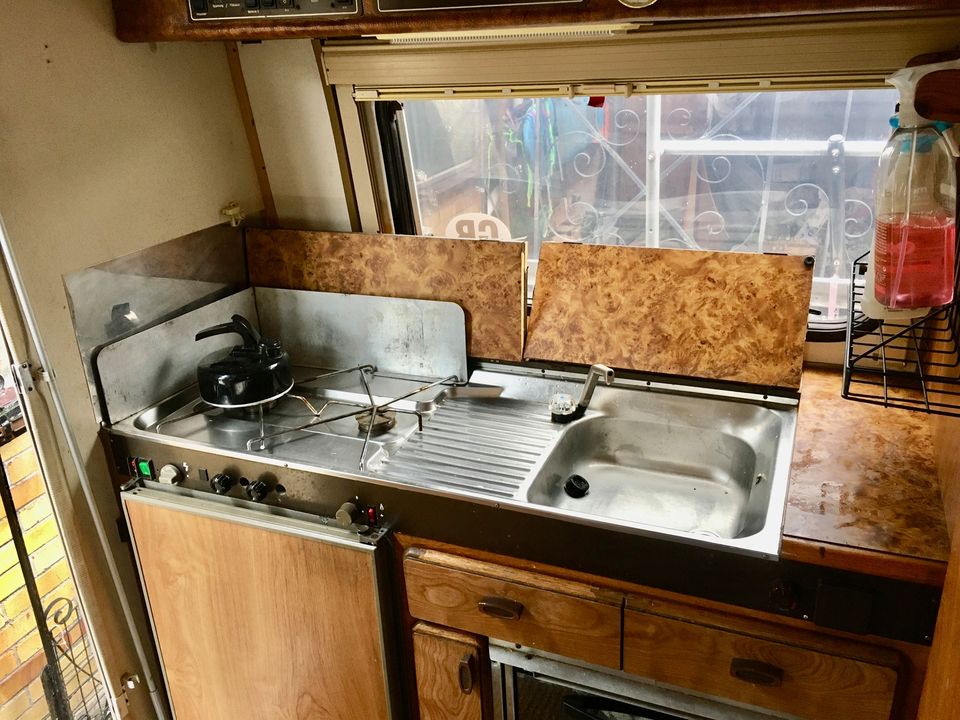
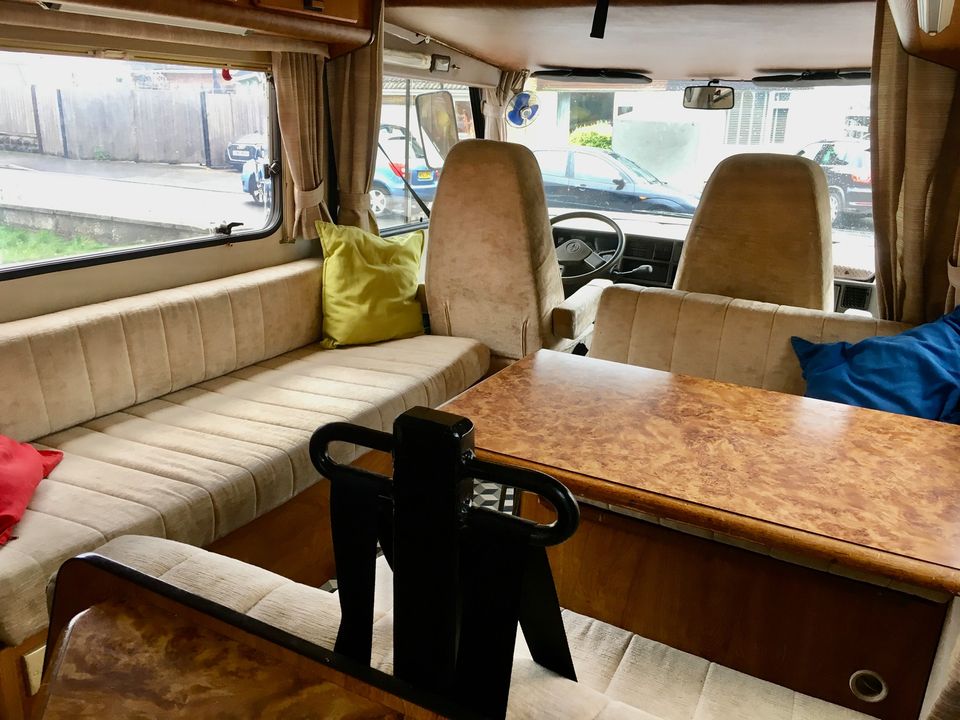
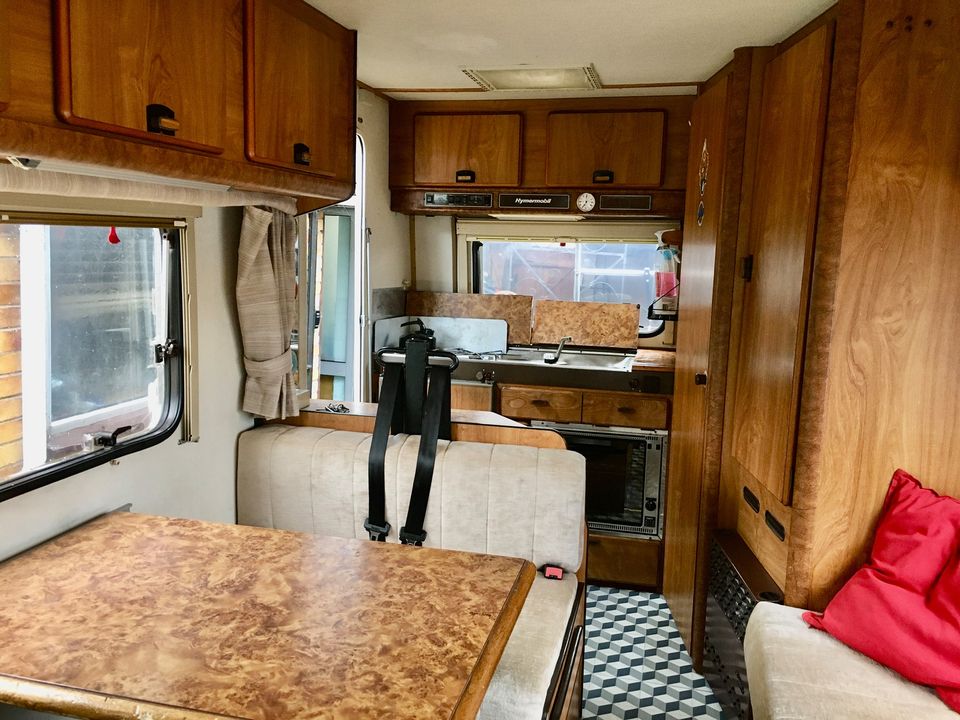

For a bit of fun, I’ve also added this 1989 Hymer B544 (Peugeot 2.5 non-turbo), just in case you’re an 80’s fan. This has the same layout as the 1992 model (see above), but instead of two sofas, you get one sofa and a dinette area. I personally prefer the “two sofa layout”, but my partner prefers this one.
The owner had it for 5 years and did all this work on it:
- 3 point belts fitted to rear with a new steel frame and bolted to chassis.
- 2 new engine fans to replace the old seized ones and a manual switch added on the dashboard.
- New starter motor.
- LED lights throughout.
- 85w solar panel fitted.
- New 110 amp/h leisure battery.
- Adhesive waterproof wallpapered the bathroom.
- New flooring vinyl tiles fitted this year.
- Sloppy gear change tightened up with new bushes.
- New engine mounts.
- Replaced vacuum pump with spare included.
- Brand new windscreen fitted.
- New dash with soundproofing and insulation + noise-reducing engine blanket.
- Fully resealed all skylights.
- Added crossbars to carry surfboards to the roof.
And that’s just the stuff he remembered.
I had a similar list for my 1992 Hymer B544. The point of providing you with the “above list” is that if you opt for a motorhome that is 30+ years old, expect to pay a few thousand pounds in upgrades and repairs during the time you have it. If you’re okay with that, then an early 90’s or late 80’s Hymer is a bargain.
Become A Time Millionaire
I hope that’s helped you in finding the best motorhome for wildcamping.
If you like this post, want to support my site and would like more time to spend in your motorhome, take a quick peek at Become A Time Millionaire.